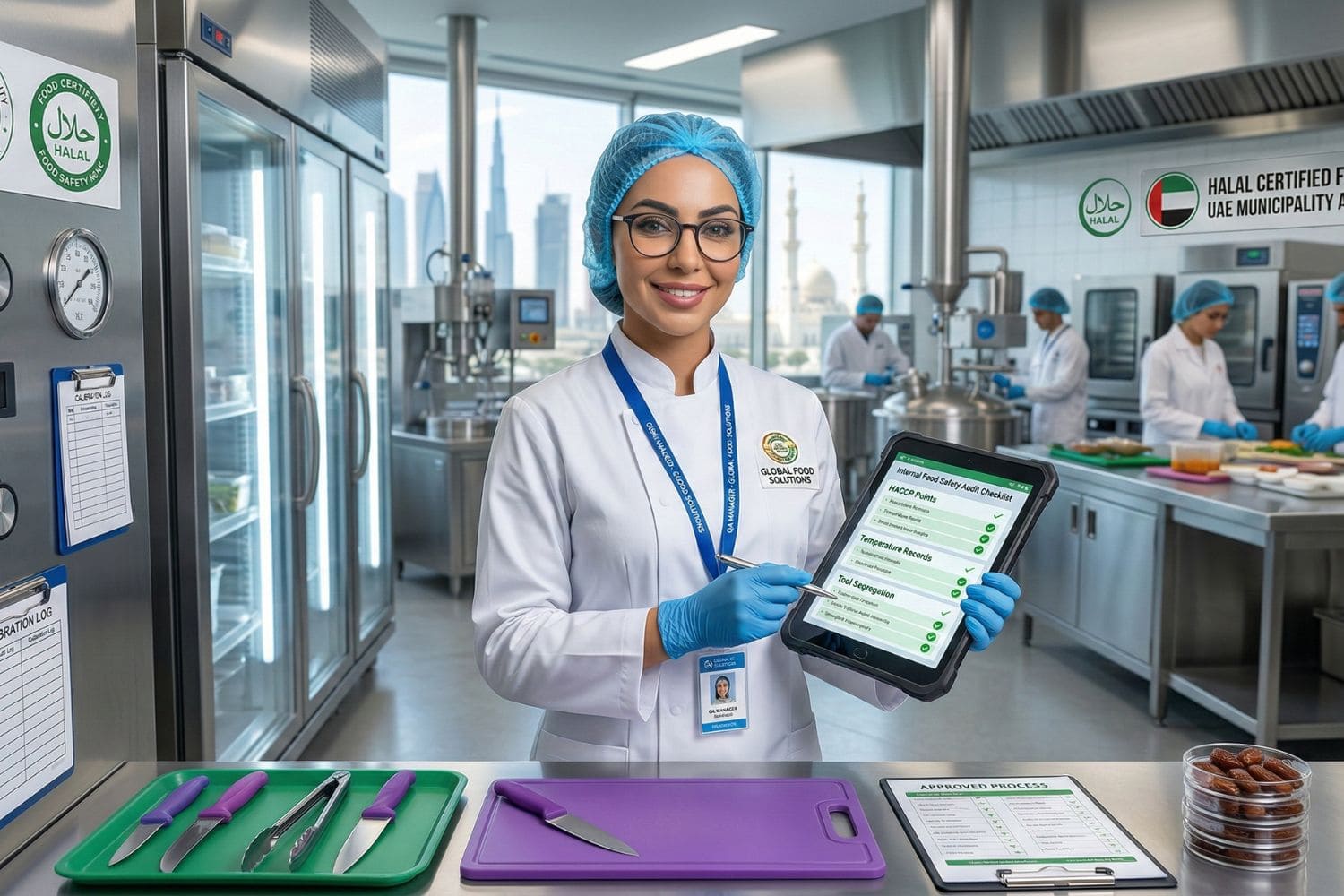
Internal food safety audits are critical for maintaining compliance and preparing for official inspections. Discover the key areas you need to focus on to ensure your facility meets both local and international food laws.
Why Conduct Internal Audits?
A robust Food Safety Management System requires continuous evaluation. Rather than waiting for a municipality inspector to find faults, proactive organizations utilize internal food safety audits to identify hazards and optimize processes. Whether you are preparing for a pre-certification audit for ISO and HACCP or simply ensuring daily Good Hygiene Practices (GHP), a structured checklist is your best defense against compliance failures.
The Essential Audit Checklist
1. Documentation and Record Keeping
Inspectors will always ask for paper trails. Ensure the following are up to date:
- HACCP (Hazard Analysis Critical Control Point) implementation plans.
- Training logs for all staff, proving completion of mandatory food safety training for employees.
- Supplier audits and verification records.
2. Personnel Hygiene
Human error is a leading cause of cross-contamination. Your audit should verify:
- Proper use of PPE (hairnets, gloves, clean uniforms).
- Strict adherence to Good Manufacturing Practices (GMP) and Good Hygiene Practices (GHP).
- Presence of an active Food Safety in Charge (Level 2 or 3) overseeing operations.
3. Facility and Process Inspections
Conduct a physical walkthrough focusing on hazard prevention. Look for:
- Pest control efficacy and proper waste management.
- Correct temperature controls in storage areas.
- Strict allergen management and control protocols to prevent cross-contact.
Conclusion
With a strong focus on regulatory compliance, hazard prevention, and best practices, routine auditing ensures your organization consistently delivers safe, high-quality products to consumers.