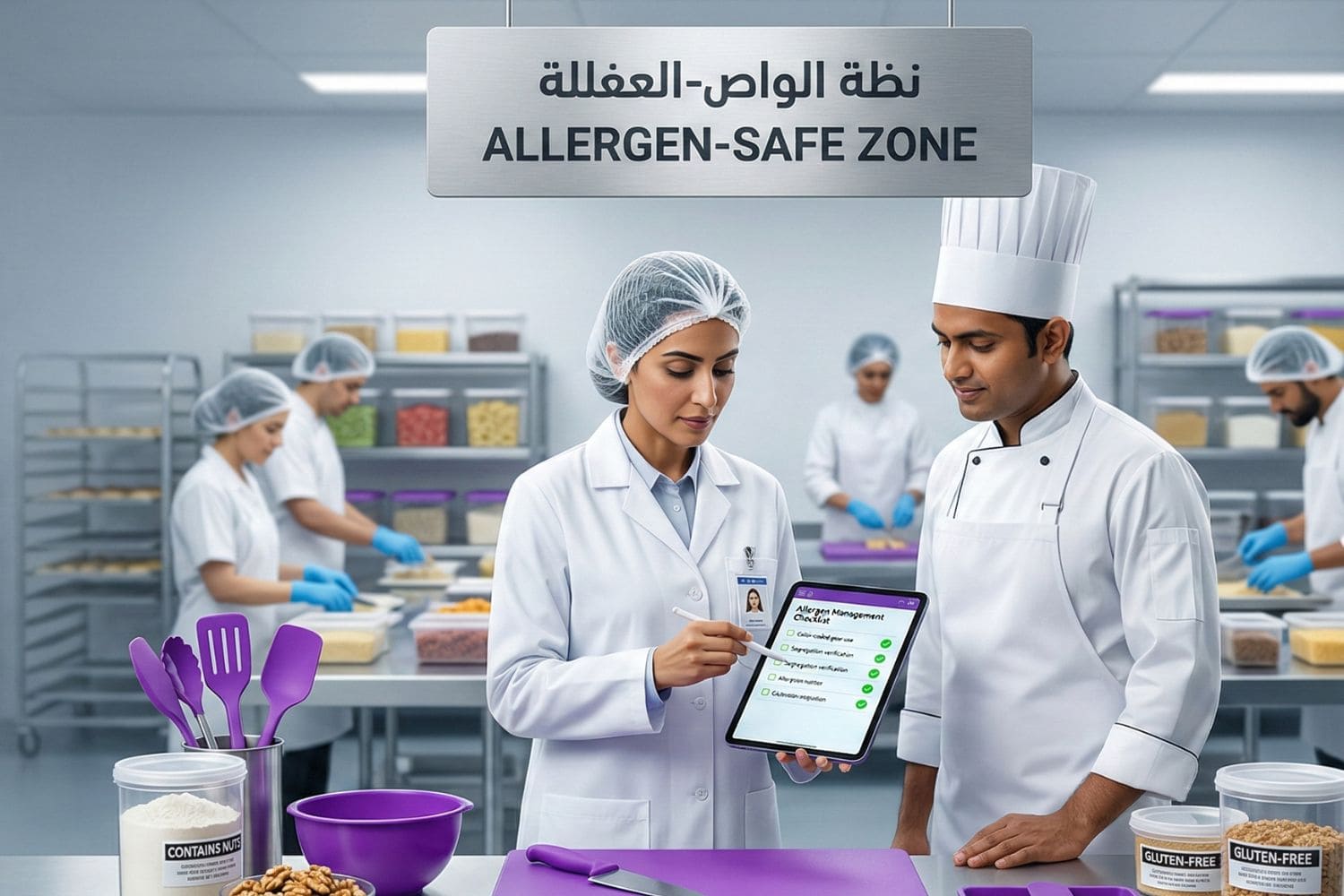
With food allergies on the rise globally, comprehensive allergen management and control is no longer just a best practice—it is a mandatory regulatory requirement. A single instance of cross-contact can lead to severe health consequences for consumers, costly product recalls, and irreparable damage to your brand.
The Importance of Allergen Control
Unlike biological hazards, allergens cannot be eliminated by cooking or typical processing steps. The only way to protect consumers is through strict separation, rigorous sanitation, and crystal-clear communication throughout your entire supply chain.
Core Strategies for Allergen Management
1. Supplier Audits and Verification
Allergen control begins before ingredients even enter your facility. You must require detailed allergen statements from all suppliers. Conducting thorough supplier audits and verification ensures that hidden allergens aren't accidentally introduced into your raw materials.
2. Preventing Cross-Contact
Cross-contact occurs when an allergen is inadvertently transferred to a food that doesn't intentionally contain it. To prevent this, implement strict operational protocols:
- Use color-coded equipment (cutting boards, utensils, bins) dedicated specifically to allergenic or non-allergenic foods.
- Store allergenic ingredients on the lowest shelves to prevent them from spilling onto non-allergenic items.
- Schedule the production of allergen-containing products at the end of the shift, followed by a documented, deep-cleaning process.
3. Accurate Labeling
Upholding compliance with local and international food laws means ensuring your product labels accurately reflect all ingredients. Undeclared allergens are the leading cause of food recalls worldwide. Regular label audits are a critical step in any robust Food Safety Management System.
4. Mandatory Staff Training
Even the best written policies will fail if your team doesn't understand them. Specialized food safety training for employees is essential. Your staff must understand the severity of food allergies, how to read ingredient labels, and exactly what to do in the event of an allergen spill.
Elevate Your Quality Assurance
Need help integrating these strategies into your daily operations? Cibex provides expert consulting to help you seamlessly implement Good Manufacturing Practices (GMP) and advanced allergen control protocols. Contact our industry experts today to safeguard your operations.